Plenty of venues have already made the switch. The freezer holds product, the cabinet gets filled each morning, and the expectation was that the waste problem would go with it.
For a lot of them it did not, and the reason is almost always the same. The stock is frozen but the habit is not. Someone pulls out roughly what came out yesterday, the cabinet looks full by opening, and whatever does not sell is still waste at the end of its ambient life. The format changed and the decision behind it did not.
That decision is the whole point. A freezer does not reduce waste on its own, it moves the moment of commitment closer to the sale. What you do with that gap is the difference between frozen desserts that pay for themselves and an expensive cold store.
The format moves the decision, it does not remove it
Buying frozen buys you one thing above all: a later deadline.
A product made fresh commits you days in advance. Frozen product commits you the moment it comes out, and nothing before that. The value sits in that gap, and it is only realised if the quantity leaving the freezer is a decision rather than a reflex.
Over-thaw and you have recreated the problem you were solving, having paid for stock you then spoiled. The venues getting the most out of frozen desserts are rarely the ones holding the most stock. They are the ones thawing the least, and most wholesale dessert suppliers will say the same.
Setting a thaw number from your own trade
The thaw quantity should come from your sales data rather than from what your wholesale dessert suppliers last delivered, and most venues already have what they need.
Pull the last month of dessert sales by day of the week. The pattern that comes back is usually sharper than anyone’s instinct: a Saturday running at several times a Monday, a Thursday that behaves like a weekend, a holiday period that changes the shape of the week. Set a thaw number for each day against that pattern rather than one figure for all of them.
Then split it by daypart if your trade warrants it. A venue selling most of its dessert after two in the afternoon does not need a full cabinet at eight, and filling one anyway means product ages for hours before the customers it was meant for arrive. Thawing in two smaller runs rather than one is often the single change that moves the number most.
Build in a deliberate shortfall at the end of the day. Selling out of a line shortly before close beats three slices in the bin, and it is worth saying so explicitly, because staff trained to keep a cabinet looking full will otherwise correct for it.
Making it a routine, not a morning judgement call
A thaw number only works if it survives contact with an actual shift.
Write it down where the person doing it will see it, as a per-day figure by line rather than a rule to interpret. Date frozen desserts as they come out so the cabinet rotates properly and the oldest product sells first. Give the task to a named role rather than whoever opens, because a decision that moves between four people becomes four different decisions inside a fortnight. None of this is sophisticated, and it is the part that fails most often.
Review the numbers monthly against what actually sold. Trade moves, and a thaw sheet written in March is wrong by June unless someone corrects it.
What the ambient life gives you back
Shelf life after thaw is the number to plan the week around, and most venues could not quote it for the products they carry.
It decides how much room a mistake leaves you. A long ambient life means an over-thawed Wednesday can be recovered across Thursday and Friday rather than written off. The life varies by product and format, so the number worth having is the one on the specification for the lines you actually buy. Ask your wholesale dessert suppliers for it in writing and plan against it rather than a general impression.
Keeping it running through a busy week
Routines fail in the weeks they matter most, and dessert is usually the first to lose one.
Protect it by making the thaw part of the existing opening sequence rather than a separate task, and keeping the sheet visible instead of filed. Build it into training so a new starter inherits the routine rather than inventing one. Portion-ready foodservice desserts help, since a format that needs no cutting or assembling removes the step most likely to be skipped when the room is full. Ask your wholesale dessert suppliers which lines need the least handling.
Measuring whether it worked
Three numbers tell you, and a month is long enough.
Track dessert waste against the previous comparable month. Track how often a line ran out at peak, because a routine that never runs out is almost certainly thawing too much. Track whether the foodservice desserts on the section held their margin. If waste falls, stockouts sit at a level you are comfortable with and margin holds, the routine is working and belongs in writing. If waste has not moved, the thaw number is still set by habit, and that is worth knowing before anyone concludes frozen desserts were not the answer.
Talk to us about your frozen range
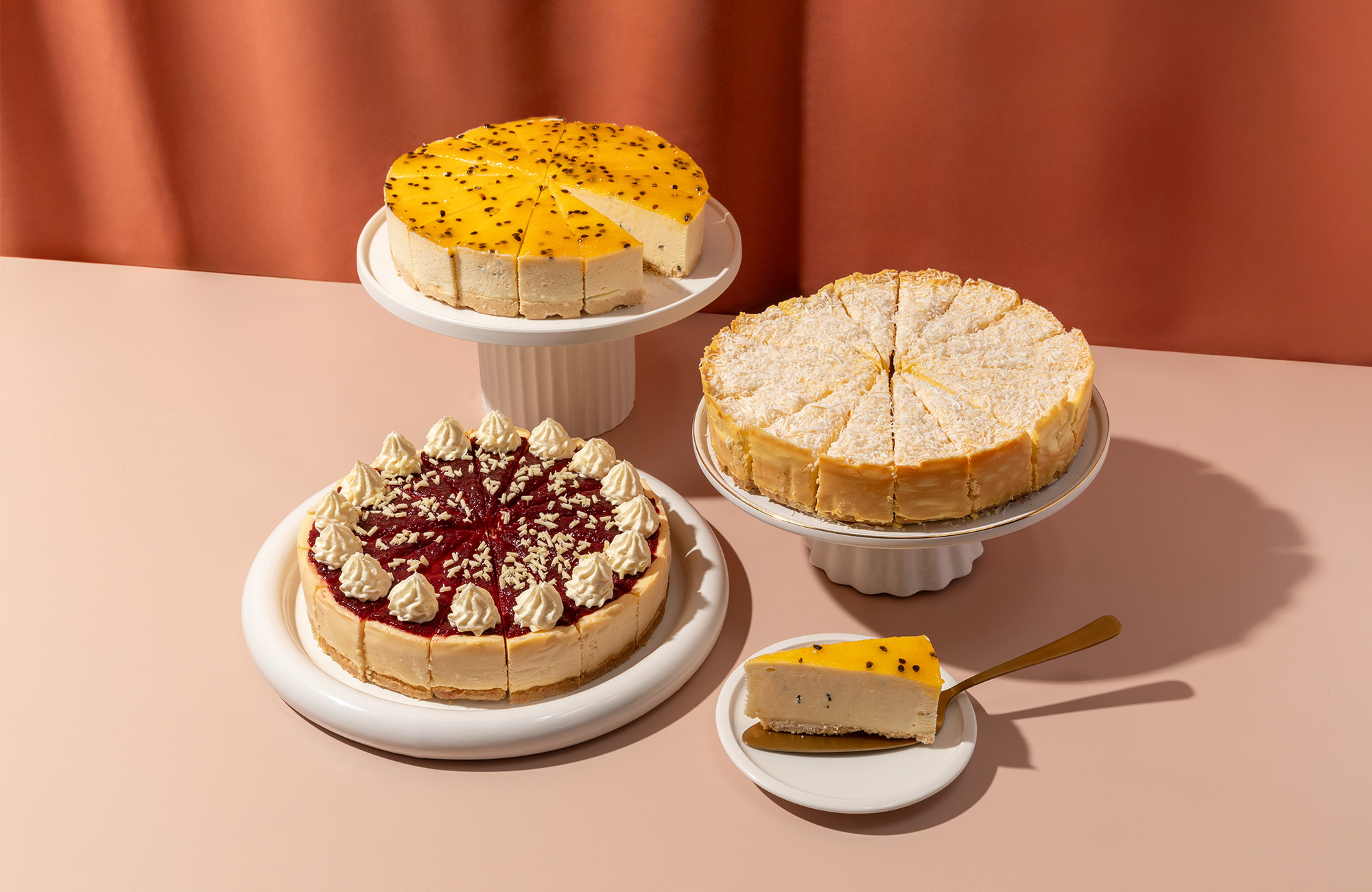
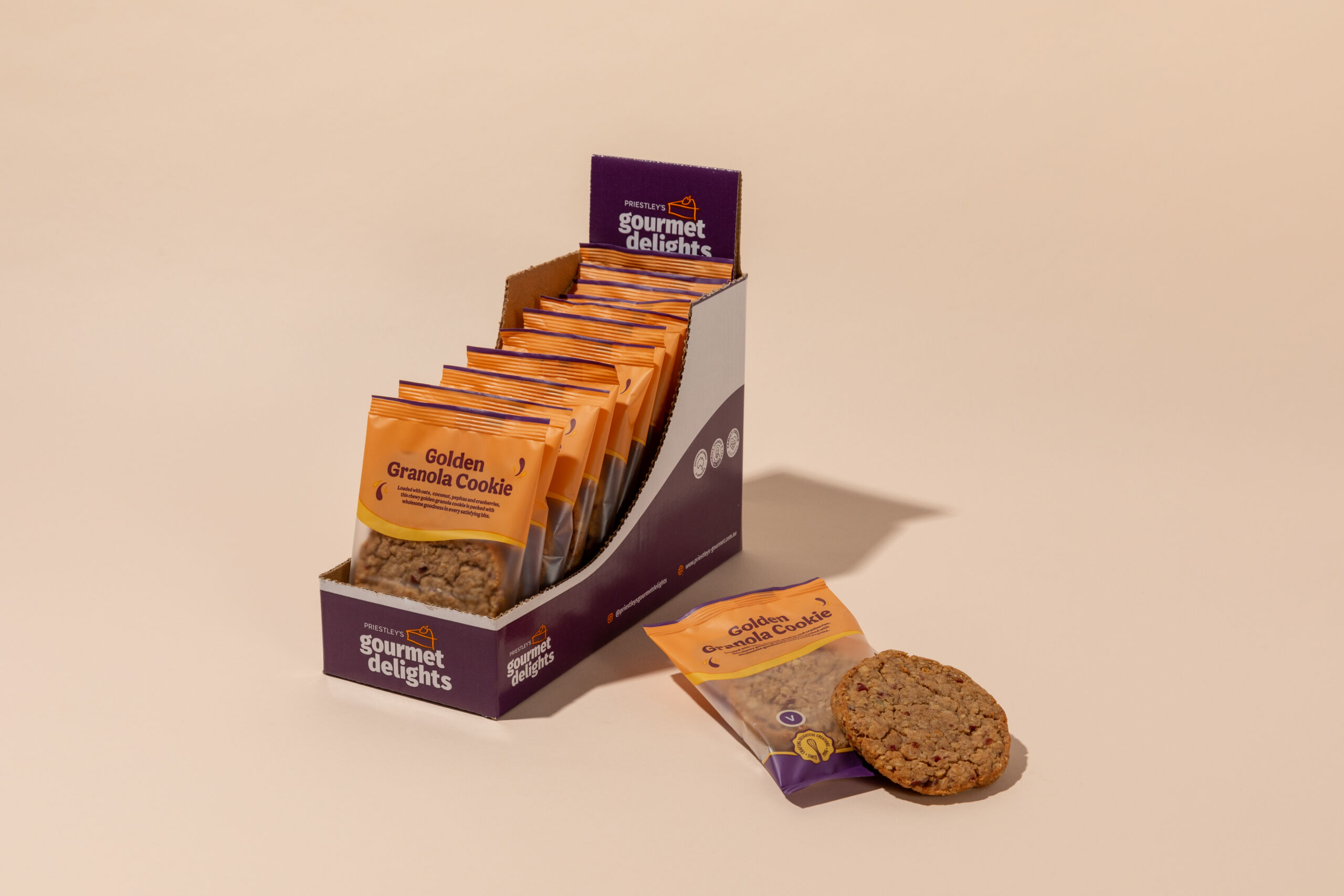
Priestley’s Gourmet Delights manufactures in Queensland and has supplied foodservice venues across Australia since 1996. The range runs from premium cakes and cheesecakes through to pavlova, Christmas product, savoury bakery and individually wrapped Grab & Go cookies.
Everything we do is trade-to-trade and Australian owned. Tell us what your week looks like and how your dessert trade rises and falls, and we will talk you through the foodservice desserts that suit it and the specification you should be thawing to. The best wholesale dessert suppliers will give you that detail before you order, not after.
Talk to the Priestley’s team about the frozen and portion-ready range for your venue.