Every café operator who has managed a dessert cabinet has faced the same question at some point. You stock a rich chocolate option and a lighter fruit-based alternative, and over a few weeks you start to notice a pattern. One moves faster. The other stays longer. Understanding why customers make those choices, and how to use that understanding commercially, is one of the more practical pieces of menu intelligence a hospitality operator can develop.
The chocolate versus fruit debate is not about which is objectively better. It is about which performs better for your specific venue, your customer base, and the time of year you are trading.
What the Numbers Tend to Show
Across Australian café and foodservice settings, chocolate-based products have historically shown strong and consistent sales performance. Chocolate mud cake, brownies, and rich chocolate tarts tend to move reliably because they appeal to a broad range of customers and satisfy a clear impulse. The desire for chocolate is both deeply familiar and widely shared.
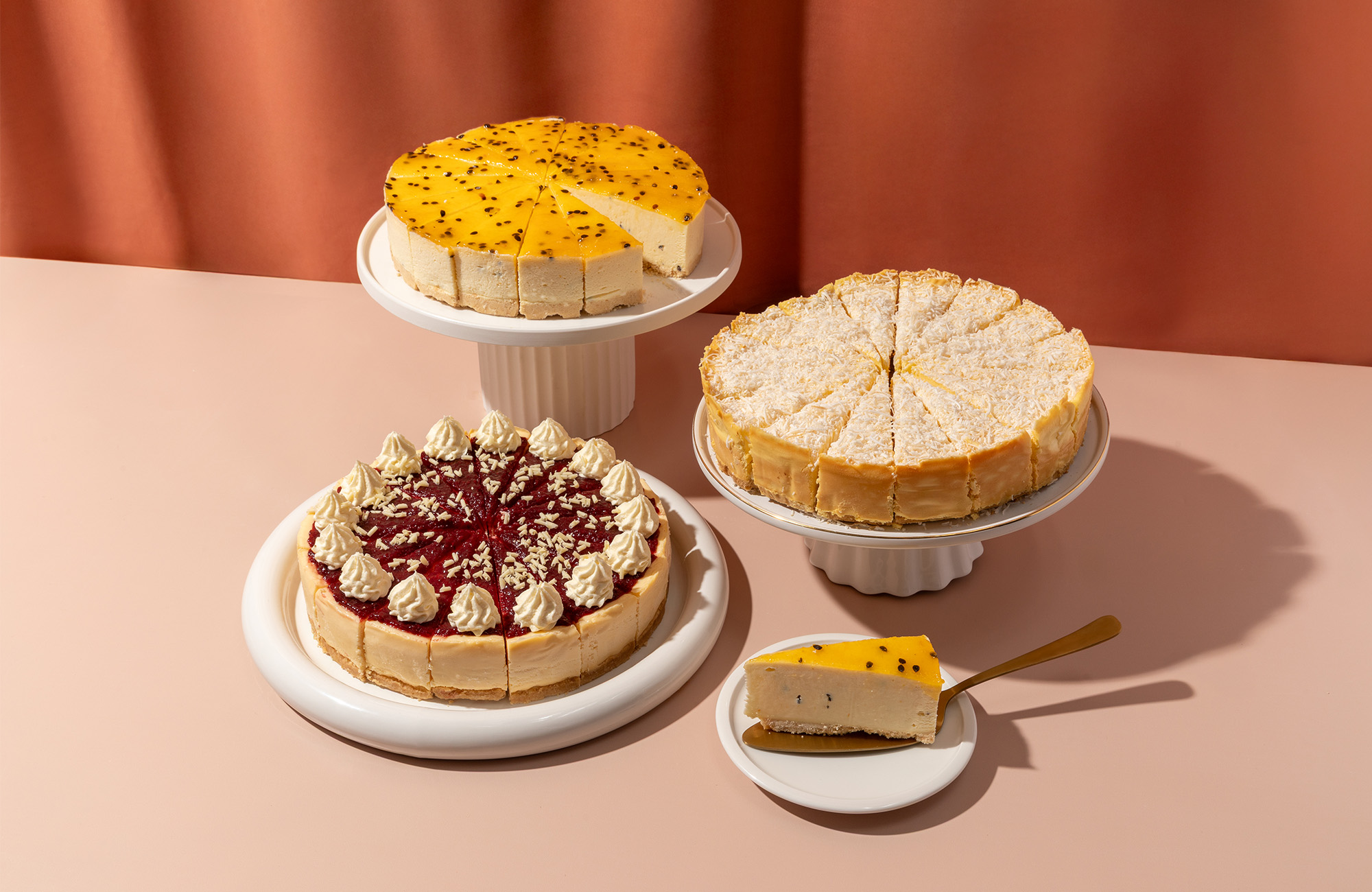
Fruit-based desserts, on the other hand, often perform better during warmer months and in venues where the customer demographic skews toward lighter, fresher options. A citrus tart or a berry-topped cheesecake carries a visual freshness that appeals strongly during summer and in café settings where health-conscious customers make up a meaningful part of the trade.
Quality wholesale desserts suppliers who understand these patterns are well-positioned to advise operators on which product mix is likely to perform best for their venue type and trading period.
The Role of Season and Daypart
Season is one of the clearest predictors of dessert preference. Warm weather consistently moves the dial toward lighter, fruit-forward options. Cooler months shift it back toward richer, comforting chocolate and cream-based products.
For operators building a seasonal menu, this means that a static dessert range, unchanged across summer and winter, will underperform during at least one of those periods. The most commercially effective approach is a core range that anchors the menu year-round, supplemented by seasonal additions that reflect where customer preference is sitting at any given time.
Wholesale desserts suppliers with sufficient range breadth make this seasonal rotation practical. When your supplier carries both premium chocolate options and well-made fruit-based alternatives, you have the flexibility to adjust your mix without changing your supply relationship.
Priestley’s Gourmet Delights manufactures a wide range of premium baked goods across chocolate and fruit profiles. From rich chocolate mud cake to cheesecakes with fresh-forward flavour profiles, the range is designed to support operators who want genuine variety without managing multiple suppliers.
What Drives the Impulse Decision at the Counter
The moment a customer decides to add a dessert to their order is typically an impulse moment, and impulse decisions are driven heavily by visual appeal. A chocolate brownie with a glossy finish and visible texture will often sell itself at the counter. A fruit tart with clean, bright colours and an appealing presentation can achieve the same result.
For wholesale desserts suppliers, this visual dimension is not secondary to flavour. It is as important commercially. Products that look the part in a cabinet display convert more sales than equally good products with uninspiring presentation. The best operators understand this and choose products that perform on both dimensions.
Priestley’s product development is carried out with both flavour and presentation as core design priorities. The craftsmanship in each product is built to hold through display conditions so that what a customer sees in the cabinet genuinely reflects what they receive.
Building a Balanced Range
The practical answer to the chocolate versus fruit question, for most venues, is not to choose one. It is to stock both thoughtfully. A balanced cabinet that includes a premium chocolate option alongside a fruit-forward or lighter alternative gives customers genuine choice and captures a wider range of purchase decisions.
The risk in over-indexing on one direction is that you leave demand on the table. A customer who walks in wanting something lighter and finds only rich chocolate options may not buy anything. The reverse is equally true.
Wholesale desserts suppliers who stock genuine range across both categories make this balance achievable without the complexity of managing multiple supply relationships. A single trusted supplier with depth across chocolate and fruit-based products simplifies the sourcing side of menu planning considerably.
Choosing the Right Supply Partner
The chocolate versus fruit question ultimately comes down to knowing your customers and stocking accordingly. But what makes that stocking decision commercially viable is having access to quality product across both categories from wholesale desserts suppliers who understand the trade.
Priestley’s Gourmet Delights has been supplying Australian cafés, restaurants, catering operators, and foodservice businesses for nearly three decades. The product range has been built specifically around the needs of hospitality operators: premium quality, practical formats, national distribution, and a breadth of flavour and style that supports real menu variety.
Understanding your customer’s preference is half the equation. Having the range to act on it is the other half.
To explore the full range from Priestley’s Gourmet Delights, visit www.priestleys-gourmet.com.au.