A dessert menu is not just a list of what’s available. It’s a sales tool. The decisions operators make about how desserts are presented, where they appear on the menu, and what they’re called have a measurable impact on how many are ordered and at what price.
For cafés and restaurants investing in quality products from a reputable cake supplier, poor menu design is a commercial leak. You’ve bought the right products, but the way they’re presented is costing you sales. Understanding the psychology behind menu design closes that gap.
How Customers Read a Menu
Menu design research has established that customers don’t read a menu from top to bottom. They scan. In most cases, the eye moves to the centre first, then to the top right, then to the top left. Menu engineers call this the “golden triangle.” Products placed in these zones receive disproportionate attention.
For operators presenting desserts as part of a full menu, where those items appear matters. The top of the dessert section captures more attention than the middle. The last item in a section also tends to perform well because it’s what customers remember as they make their decision.
If you’re working with a quality cake supplier to build a compelling dessert range, make sure your strongest products, the ones with the best margin, the best presentation, and the most customer appeal, are in the positions that receive the most attention.
The Commercial Case for a Separate Dessert Menu
One of the most consistent findings in hospitality research is that presenting desserts on a separate menu, rather than listing them at the bottom of a main menu, increases dessert order rates. The separate menu creates a dedicated decision moment. It signals that desserts are worth considering as a course in their own right, not an afterthought.
For operators sourcing from a premium cake supplier like Priestley’s Gourmet Delights, a separate dessert menu also provides space to present the range at its best. You can describe flavours properly, mention dietary options, and build context around product quality. That context increases perceived value and supports a higher price point.
How Naming Affects What Customers Order
The language you use to describe desserts has a documented effect on sales. Sensory descriptions have been shown to increase order rates by nearly 30 per cent compared to generic names.
“Warm banana and walnut loaf with honey cream” sells better than “banana loaf.” “Rich raspberry and white chocolate muffin” sells better than “raspberry muffin.” The difference is not the product. It’s the signal the name sends about the experience the customer is about to have.
When working with a cake supplier that offers a range of clearly distinct products, the naming work is largely done by the ingredients themselves. The job of the operator is to translate those ingredients into language that triggers sensory anticipation.
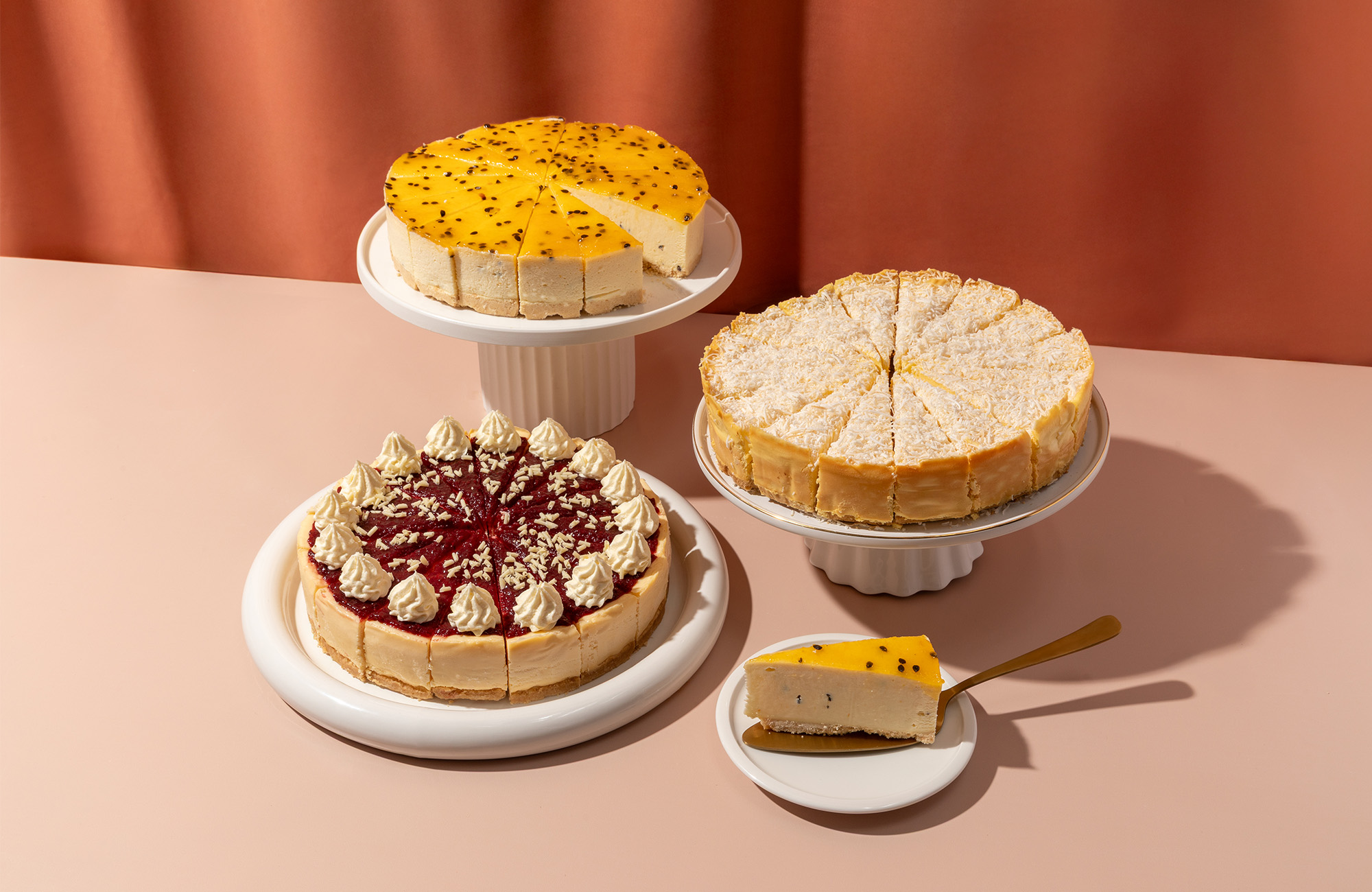
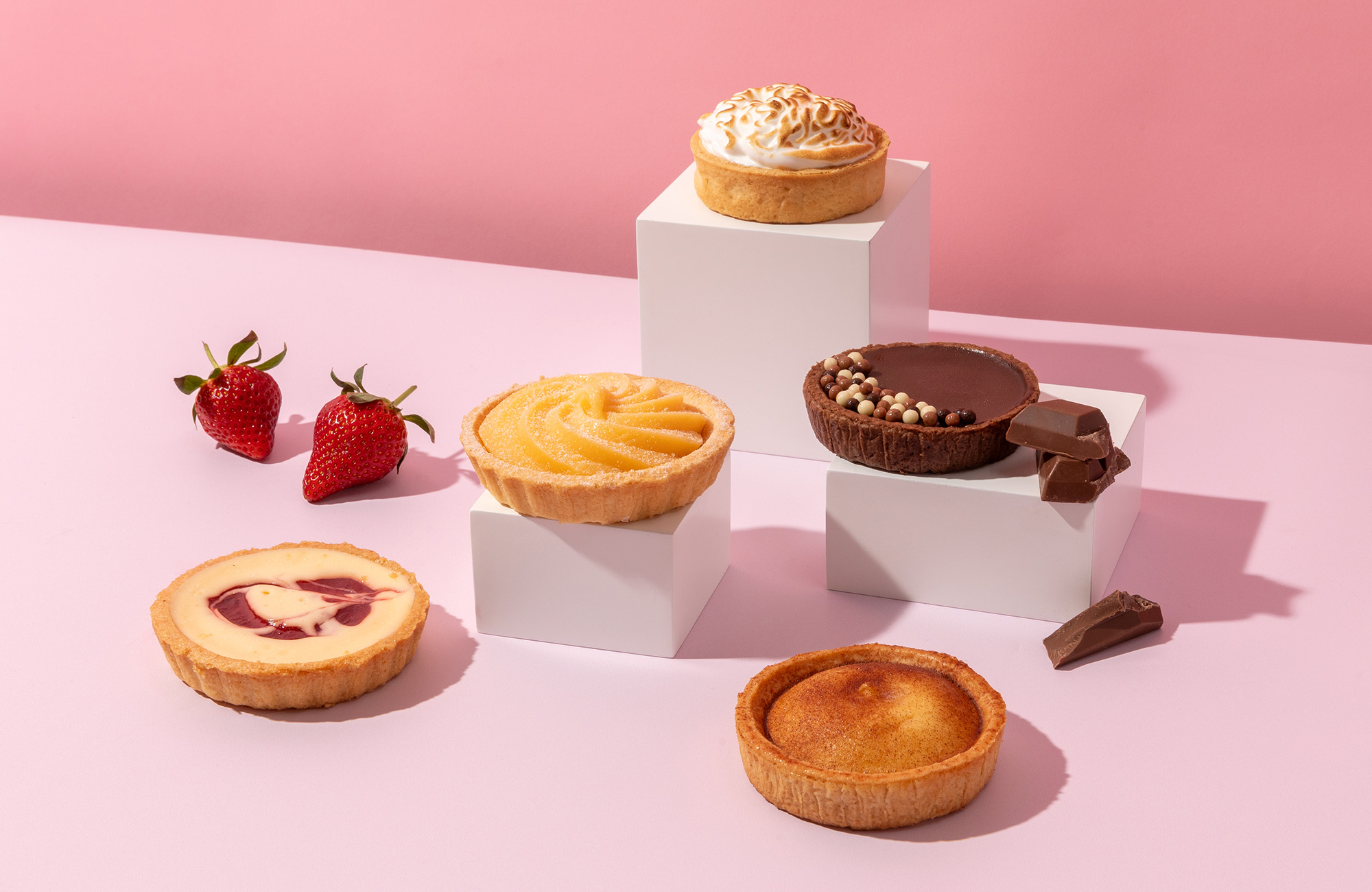
Priestley’s Gourmet Delights supplies cafés and restaurants across Australia with a premium range of cakes, muffins, friands, cheesecakes, and sweet loaves. The visual appeal of products like the Raspberry & White Choc Muffin or the New York Cheesecake is considerable, and menu descriptions that communicate that appeal drive stronger order rates.
Using Price Anchoring and Structure
Menu psychology also applies to how prices are presented. Removing currency symbols and displaying prices as plain numbers has been shown to reduce the psychological friction around spending. Positioning a higher-priced anchor item at the top of the dessert section makes mid-range items look more reasonably priced by comparison.
For operators working with a cake supplier that offers a premium tier alongside accessible options, this creates a useful structural tool. A whole cake or large-format dessert at the top of the section anchors price perception, making a $9 muffin feel like genuine value.
Building a Dessert Programme That Performs
A strong dessert programme starts with the right cake supplier relationship. Products that are visually impressive, consistently made, and available in a variety of formats give your menu something to work with. Without that foundation, even the best menu design has limited room to move.
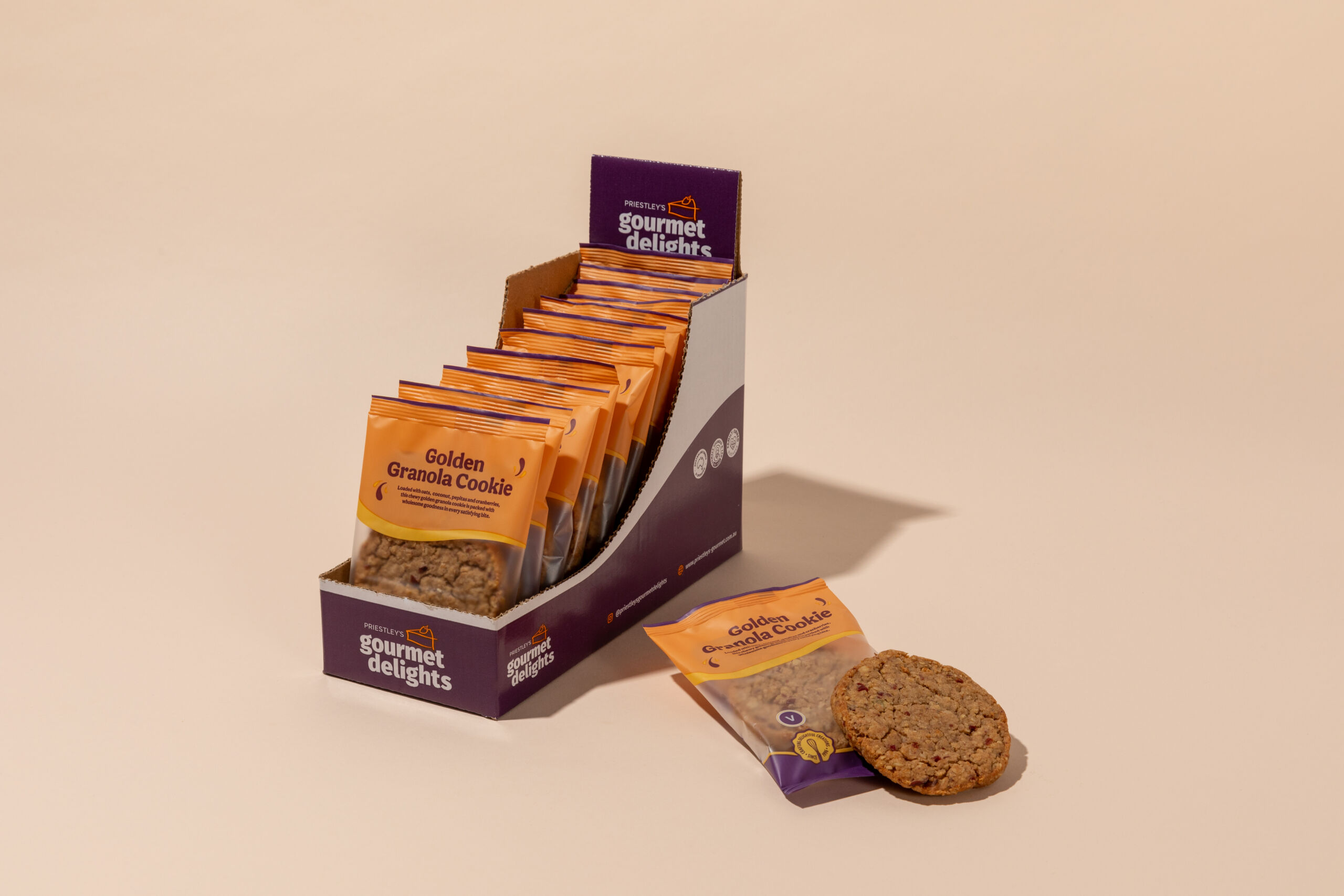
Priestley’s Gourmet Delights has been supplying the Australian foodservice market for over 30 years, with more than 27,000 customers across the country. Their range includes portion-ready formats designed for the café counter, individually wrapped grab-and-go options, and full cakes and desserts for sit-down service.
Menu placement, naming, and presentation are the final layer of a dessert strategy that begins with product quality. Get both right, and the commercial uplift is real.
Connect with Priestley’s at priestleys-gourmet.com.au to explore the range and discuss what works for your venue.