Ask a genuinely busy venue about its dessert section and the complaint is rarely waste. It is the Saturday the cabinet emptied at two, with four hours of trade still ahead and nothing left to put out.
That loss never gets counted. Waste at least leaves evidence, a tray going into the bin that somebody has to look at and account for. Running out leaves an empty shelf and a customer who bought a coffee instead of a coffee and a slice, and none of it appears in a stocktake, on a waste sheet or in any report anyone reviews on Monday.
For a high-volume site that is the larger of the two problems. It is also the one that reframes what frozen desserts are actually for. The format is usually sold as a way to throw less away. For a busy venue the better argument is that it lets you keep selling, and that is a more useful conversation to have with wholesale dessert suppliers.
The cost of running out never shows up
A stockout is a sale you were offered and could not take.
The customer was already in the building, already buying, already willing. Every cost of getting them there had been paid, which makes an unfilled dessert order the most expensive thing a venue can fail to supply. It is lost revenue at full margin, not a saving.
What makes it so persistent is that nobody is accountable for it. A venue that bins product has a number to point at and someone will eventually ask about it. A venue that sells out looks, from the inside, like a venue having a good day. Busy sites can run that way for years without ever putting a figure on what they turned away.
Your delivery schedule is quietly setting your ceiling
Here is the structural problem underneath it.
A short-life dessert programme ties what a venue can sell to when its deliveries arrive. Stock comes in on set days, has to move before it turns, and cannot be ordered up in the middle of a surge because the surge will be over before the next truck. The delivery schedule, rather than demand, ends up deciding the maximum the section can do in a week.
That constraint is invisible while trade is average and expensive the moment it is not.
Frozen desserts break the link. What sits in the freezer is capacity the venue already owns and can draw on in any hour of any day, independent of the order cycle. For venues buying from wholesale dessert suppliers on a weekly or fortnightly run, this is the single biggest operational difference the format makes.
Freezer space is a buffer, so size it to your biggest day
Most venues size cold storage to average trade, because average trade is what they think about.
A buffer sized to the average is no buffer at all. The whole point of holding stock is the days that are not average, so the question worth asking is how much product the site needs to be able to produce on its heaviest trading day without a delivery, and whether there is room to hold it.
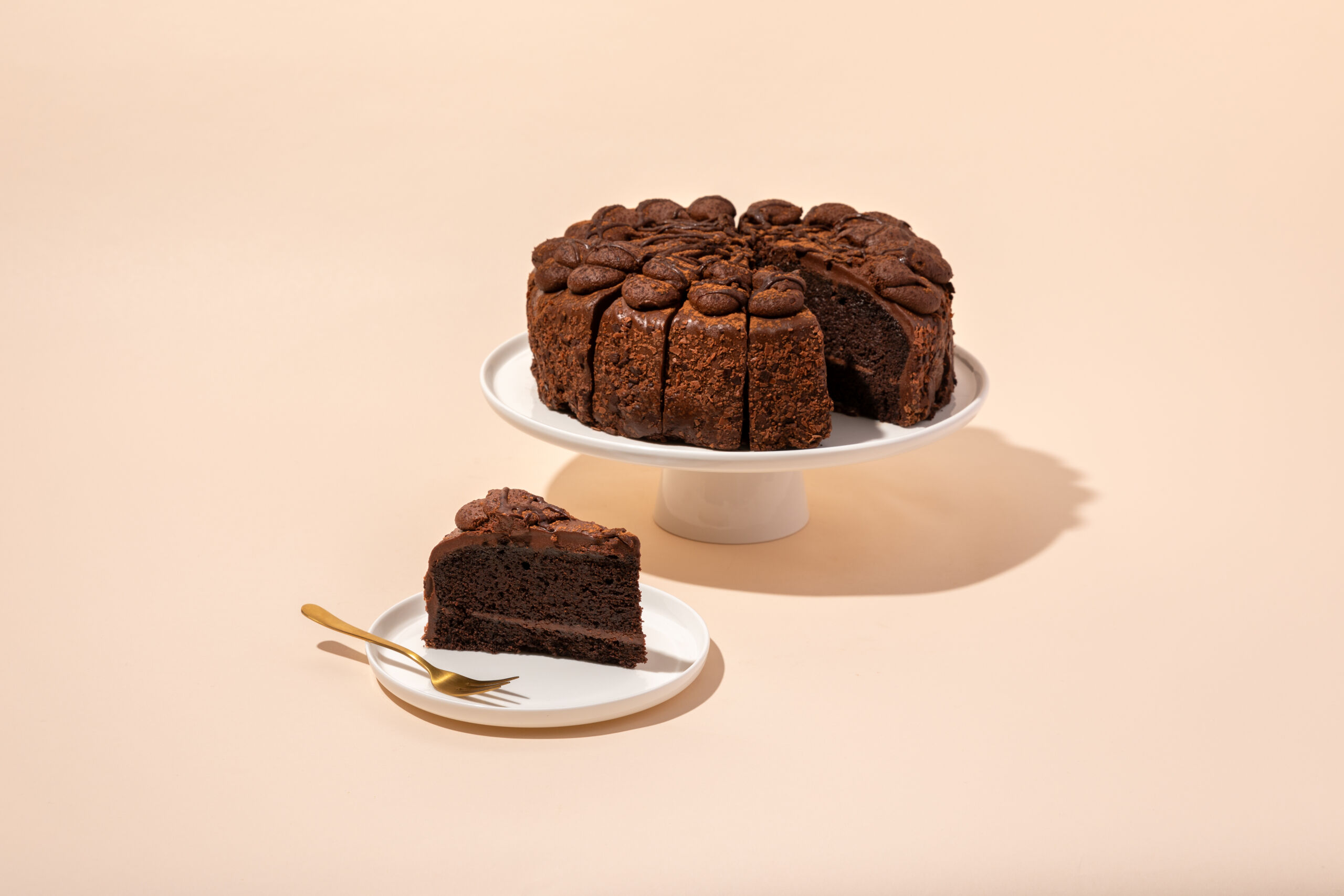
The answer is usually less space than operators expect. Frozen product stacks, holds and does not need the handling that fresh stock does, and a modest amount of freezer capacity covers a surprisingly large peak. Priestley’s frozen desserts are specified to hold for up to a year in the freezer, which is what allows held stock to sit as a genuine reserve rather than as a liability counting down. Ambient life once a product is out is far shorter and varies by range, so the reserve is the freezer rather than the cabinet. Portion-ready foodservice desserts make the arithmetic simpler again, because a buffer measured in serves is easier to plan against than one measured in whole cakes. It is worth asking wholesale dessert suppliers which of their lines come that way before sizing anything.
The trade you cannot forecast
Every busy venue has trade that arrives without warning.
A function that lands late in the week. A long weekend that behaves nothing like the last one. An event down the road that nobody told you about. Weather that turns a quiet Sunday into the best day of the month. None of it is forecastable, and all of it is revenue available only to a venue in a position to say yes.
This is where holding stock earns its keep, and it is a different argument from the one about matching supply to an expected pattern. A buffer is not there to meet the demand you predicted. It exists precisely for the demand you did not.
The logic also gets stronger as a venue gets busier, which is counterintuitive. A quiet site has a narrow gap between its slowest and its best day, so there is not much variance to absorb. A busy site can see its biggest day run at several times its quietest, and the wider that gap, the more a reserve is worth. Volume makes the case for frozen desserts stronger, not weaker.
Supply certainty is a supplier question too
A buffer of frozen desserts in your own freezer only helps if the supplier behind it is dependable.
Worth asking before you commit: whether the range is carried consistently or rotates, whether lines are discontinued without notice, and whether the supplier can support a known peak such as a December run or a function season. A venue that has built its capacity around holding stock is exposed if a core line disappears mid-season, so it is a fair question to put to wholesale dessert suppliers early rather than after a line has already gone.
National distribution matters here as well, particularly for operators running more than one site. The foodservice desserts on a group menu are only as reliable as the thinnest link in supplying them.
Talk to us about planning for your peak
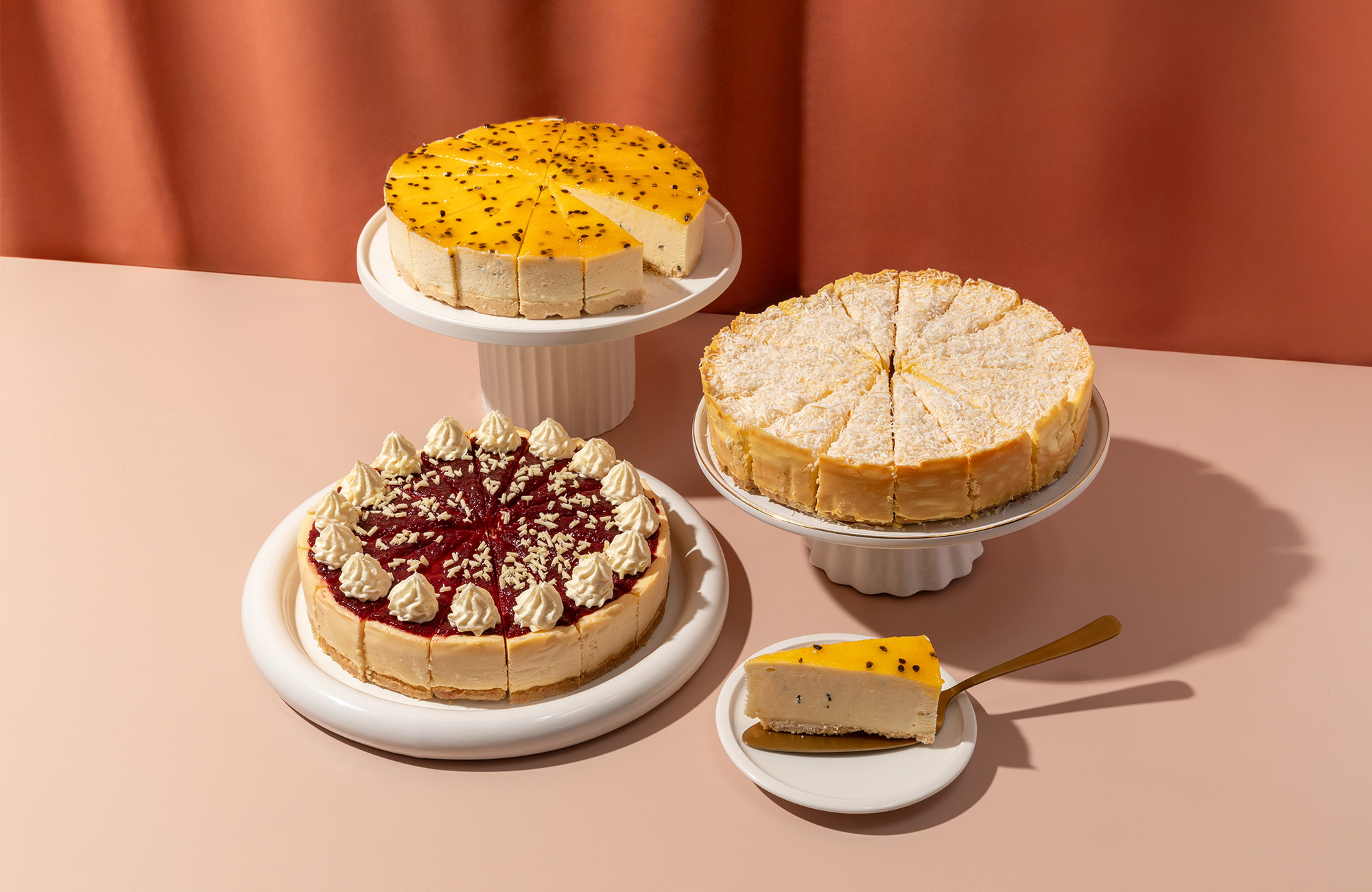
Priestley’s Gourmet Delights has been manufacturing dessert in Queensland since 1996 and supplies venues in every state. Much of the range is built to be held frozen and finished on site, from premium cakes and cheesecakes through to pavlova, Christmas product, savoury bakery and individually wrapped Grab & Go lines.
We sell to the trade and nowhere else, and the company is Australian owned and operated. The useful conversation starts with your peak rather than your average, so tell us what your biggest trading day looks like and where you are currently turning trade away. From there we can work out which portion-ready foodservice desserts belong in a buffer and roughly how much freezer space it needs. Sizing that with wholesale dessert suppliers before a function season is a good deal easier than doing it during one.