Quality cakes and pies are a genuine investment. They represent not just the cost of the product but the margin opportunity each one carries when it is sold well and at its best. Mishandled product, poor storage conditions, or incorrect display practices can erode that margin quickly, turning a profitable dessert range into a source of daily write-offs.
For café owners, restaurant operators, and foodservice buyers, understanding how to care for baked goods properly is a practical commercial skill. It is also something that the right supplier should support with clear guidance from the outset.
Why Storage Conditions Matter More Than You Think
Every quality baked product, from a premium cheesecake to a carefully crafted tart, has been manufactured to a specific quality standard. What happens after it leaves the bakery is largely in your hands. Storage conditions are the single most important factor in maintaining that quality through to the customer.
Temperature is the primary concern. Most premium cakes and wholesale pies are supplied frozen, which protects quality during transit and gives operators flexibility in managing stock levels. The key is maintaining the cold chain consistently. Products that are partially thawed and then re-frozen will deteriorate in texture and flavour, regardless of how well they were made.
Dedicated freezer space, correct temperature settings, and a first-in-first-out rotation system are the baseline requirements for any venue stocking premium baked goods.
Thawing and Display Practices
Thawing is where many venues lose unnecessary quality. Rushing a product from frozen to display creates uneven thawing, surface condensation, and texture problems that no amount of presentation will fix.
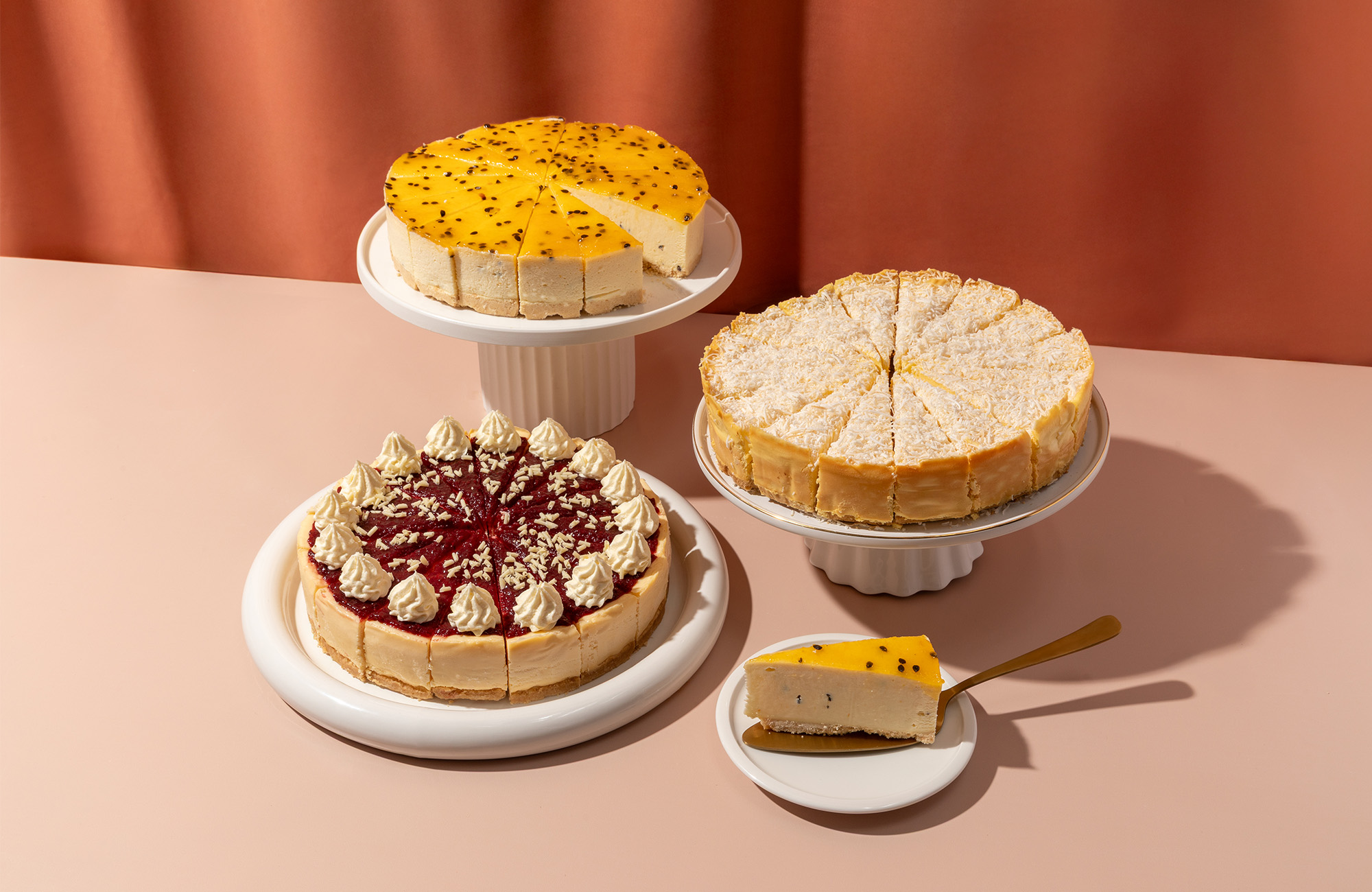
Quality wholesale pies and cakes should be thawed gradually, ideally moved from frozen to chilled refrigeration rather than thawed at room temperature. This slower process preserves the structural integrity of the product and avoids the moisture issues that rapid thawing creates. For most premium cakes, allowing 24 hours of refrigerated thawing produces the best result for display and service.
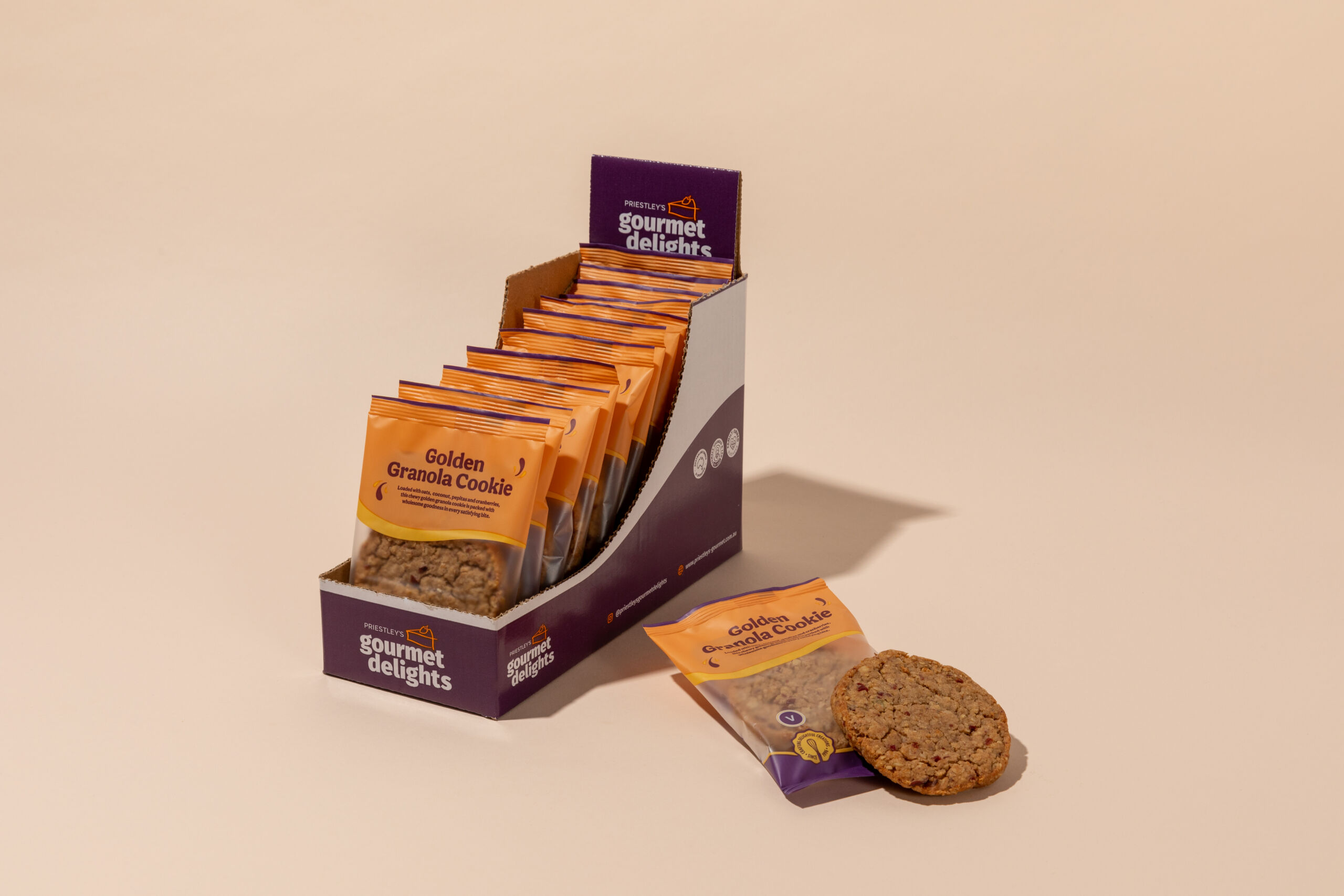
Once thawed and displayed in a cabinet, ambient shelf life becomes the relevant consideration. Priestley’s Gourmet Delights’ Grab & Go cookie range, for example, carries an ambient shelf life of up to 84 days, offering operators genuine flexibility in display management. For premium whole cakes and wholesale pies, referring to the supplier’s specific guidance on display life is important for maintaining quality standards and avoiding unnecessary waste.
Display Cabinet Management
A dessert cabinet is a selling tool. It needs to look the part throughout the day, not just at the start of service. Products that have been sitting for several hours without attention, whether from condensation, surface drying, or poor positioning, will lose their visual appeal and reduce the likelihood of a sale.
Checking and managing the display cabinet at regular intervals throughout service is a simple practice that makes a measurable difference to both product quality and sales. Wholesale pies that are displayed at the correct temperature, well-presented, and rotated as stock depletes will consistently outperform the same product displayed carelessly.
Priestley’s products are designed with presentation in mind. The careful craftsmanship in the manufacturing process, carried out at the Brisbane facility, is built to hold through proper display conditions. The visual integrity of each product is a deliberate part of how they are made.
Handling Practices in a Busy Kitchen
Kitchens and café counters are high-pressure environments. Products get moved, bumped, and handled quickly. Premium cakes and wholesale pies can absorb some of this reality, but consistent poor handling will eventually show in the product.
Using appropriate tools when slicing and serving baked goods preserves presentation quality. A clean, sharp knife used consistently will produce neater slices than a blunt or dirty one. Handling cakes by the base rather than pressing the sides avoids marking. These are small habits but they have a direct impact on the visual quality of what reaches the customer.
Training kitchen and counter staff on basic product handling practices is worth doing, particularly if you are investing in premium wholesale pies and cakes as part of your revenue offer.
Choosing Suppliers Who Support Your Standards
The care you put into handling and storage is only part of the equation. The quality you receive from your supplier is the other. Working with wholesale pies and cake suppliers who manufacture to a consistent standard, use quality ingredients, and supply product in good condition means your own care practices are building on a strong foundation rather than compensating for a weak one.
Priestley’s Gourmet Delights has been manufacturing premium baked goods in Brisbane since 1996. All products are made in Australia, which supports both quality control and supply reliability. With over 27,000 customers across cafés, restaurants, catering operations, QSRs, and foodservice businesses nationally, the business has developed a product range specifically suited to hospitality environments where handling, display, and shelf life performance all matter.
Understanding how to care for your stock once it arrives is the final step in protecting the investment you have already made in sourcing quality product.
To explore the full range of cakes, wholesale pies, and desserts available for your venue, visit Priestley’s Gourmet Delights.